
Energy (Solar and Electrical)
UNDERSTANDING A SOLAR POWER SYSTEM (PHOTOVOLTAIC SYSTEM)
A Solar Power system or Photovoltaic (PV) system is an electrical system that is designed to supply usable energy from the sun which is a renewable and inexhaustible source. The solar power system can either be a grid connected one or be a stand-alone system.
The major components of a solar system are, Solar panel, Inverter and Battery. The solar panels generate electricity from the sun. This direct current (DC) electricity flows through an inverter to generate alternating current (AC). The AC electricity powers your appliances. Extra electricity not used by your appliances charges your batteries. When the sun goes down, your appliances are powered by the stored energy in your battery
Benefits of a solar power system
- Ensures energy access at any given time
- Reduces the energy bill & ensures long term energy cost savings
- Ensures power independence
- Solar power cost has gone low whilst utility cost from national grid continues to go up
- Improves property value
- There is energy access all year round
- Protects the environment by ensuring zero carbon emissions unlike other energy sources
- Has minimal maintenance cost
SOLAR PANELS
For many years solar systems’ installations have been dominated by polycrystalline solar panels because of relatively lower price as compared to monocrystalline type. However, the general prices of solar panels have decreased over the recent years making the monocrystalline solar panels more affordable and dominant because of their efficiency.
What to consider before buying solar panels
There are many solar panels available on the market and you need a reliable and traceable service provider to make an informed decision. Some important aspects to consider when comparing your buying options include panel type, cost, wattage, efficiency, warranty offering and brand reputation. All of these aspects plus more are considered in each panels’ quality rating. Not all power rating on solar panels will give a true reflection of what the panel will produce.
Solar panel efficiency is a measure of a solar panel’s ability to convert incoming sunlight into usable electricity. This is important because higher efficiency panels produce more energy with less panel space than lower efficiency models.
The best way to evaluate the price of a solar panel installation is in dollars per watt ($/W).
There are two types of solar panel warranties to be aware of:
Product warranty covers the physical integrity of your solar panels. For example, manufacturing defects, premature wear and tear, and environmentally-caused damages are covered by panel equipment warranties. Product warranty usually cover any failure due to these factors over a specified time period. For a good solar panel this should be 10 years or more.
Service warranty covers the actual production of electricity from solar panels. Photovoltaic panels naturally degrade over time, and a performance warranty protects you against undue degradation rates. Service warranty guarantee that a certain level of electricity production will be maintained over a specified time period. For a good solar panel this should be 25 years or more.
SOLAR BATTERIES
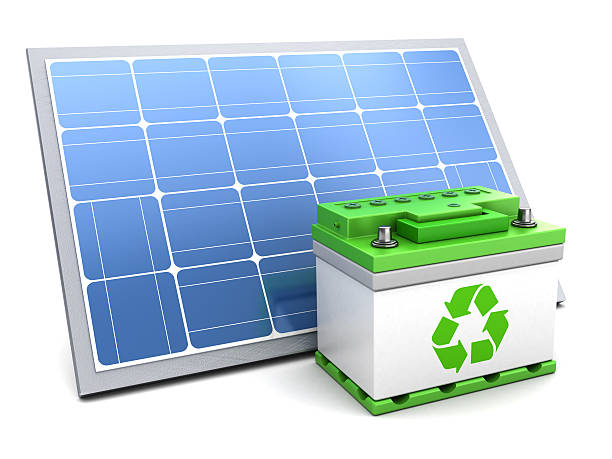
Batteries for solar systems are used to store reserve power. Battery power is mainly used by the solar system when your solar panels (or national grid source e.g., Z.E.S.A power supply) are not generating enough power for your appliances. There are different options on battery types that are suitable for solar systems. The most common battery technologies for solar systems are Lithium Ion and Lead Acid.
Lithium-ion Batteries
Lithium batteries have become the most common types of batteries in solar systems because of numerous advantages that include:
- Longer lifespan (10-20+ years depending on usage and model/specs)
- High Depth of Discharge
- No maintenance
- More efficient power usage
- More usable storage capacity
- Smaller and lighter than lead-acid batteries
Lead Acid Batteries
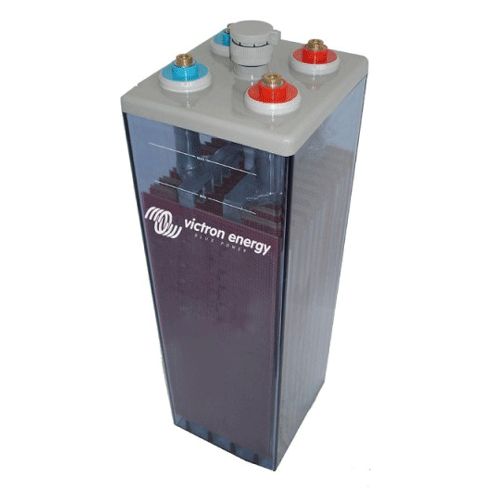
Lead acid batteries represent a tried and tested technology that has been around for years. They have a general lifespan of 3-to-12 years depending on usage and brands/specs. They mainly come in two main types, i.e.
- Sealed lead acid batteries (GEL and AGM)
- Flooded lead acid batteries (Commonly Tubular lead acid batteries)
Sealed lead acid batteries are also known as Valve Regulated Lead-Acid (VRLA) batteries. The most common types are GEL (Gelled Electrolytes) and AGM (Absorbed Glass Mat)
Flooded lead acid batteries have the lowest upfront cost, but the trade-off comes in the form of maintenance —you’ll need to check the water level, adding distilled water to keep them topped off. These batteries expel built-up hydrogen gas, so they need to be installed in a vented enclosure. They also need periodic equalize charges.
INVERTER
What is a solar inverter? Why is it important?
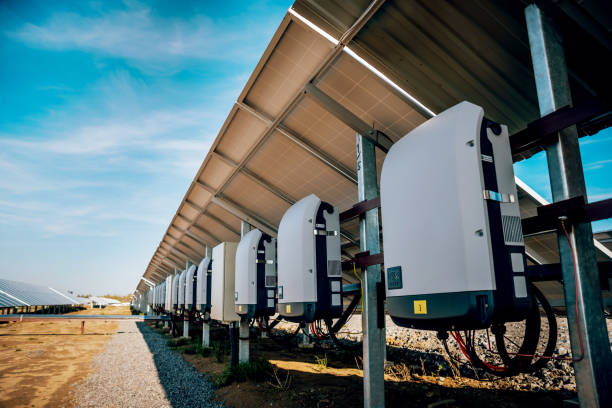
Solar panels produce electricity through the “photovoltaic effect”, which is a physical and chemical process that occurs when sunlight strikes solar cells. The electricity generated during this process is direct current (DC) electricity. However, most appliances run on alternating current (AC) electricity. A solar inverter’s main job is to convert the DC electricity generated by solar panels into usable AC electricity, making inverters vital to the success of your solar panel system.
CHOOSING A SOLAR SYSTEM
For residential and general office buildings’ setups, 1kVA to 10kVA inverter systems are common. Large scale commercial setups required high power components and the inverters are usually higher than 10kVA.
The inverter is selected based on your specific appliances/equipment to be powered and the charging capacity required for the batteries. The number of solar panels and battery bank size vary depending on the how the solar system is to be used.
After sending your enquiry we will guide you through the process.
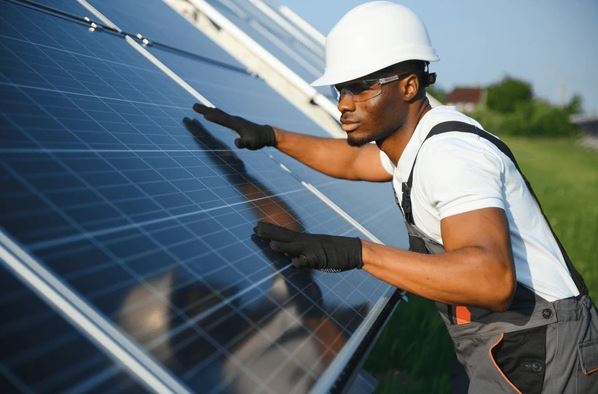
Solar system protection
At all cost, your solar system must be protected from failure. The following protection mechanisms should be considered:
- Lighting and surge protection
- Short circuit protection
- Moisture protection
- Antitheft clamps for solar panels
- General theft protection
Maintaining your solar system
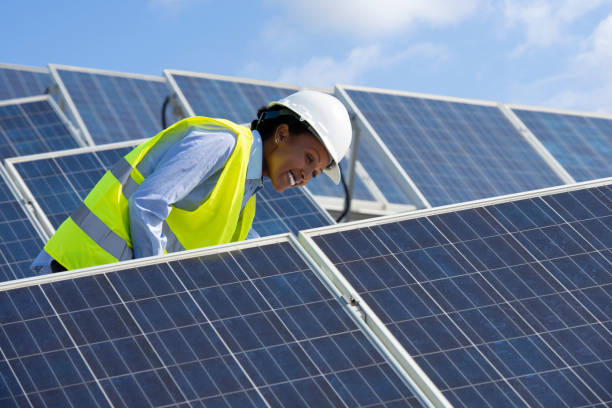
In order to continue harvesting enough energy from the sun, your solar panels must always be kept clean. Dust that accumulates on your solar panels will lower the charging rate of your system.
To prevent fire hazards, your inverter and battery need to be kept free from dust, moisture and water spillage.